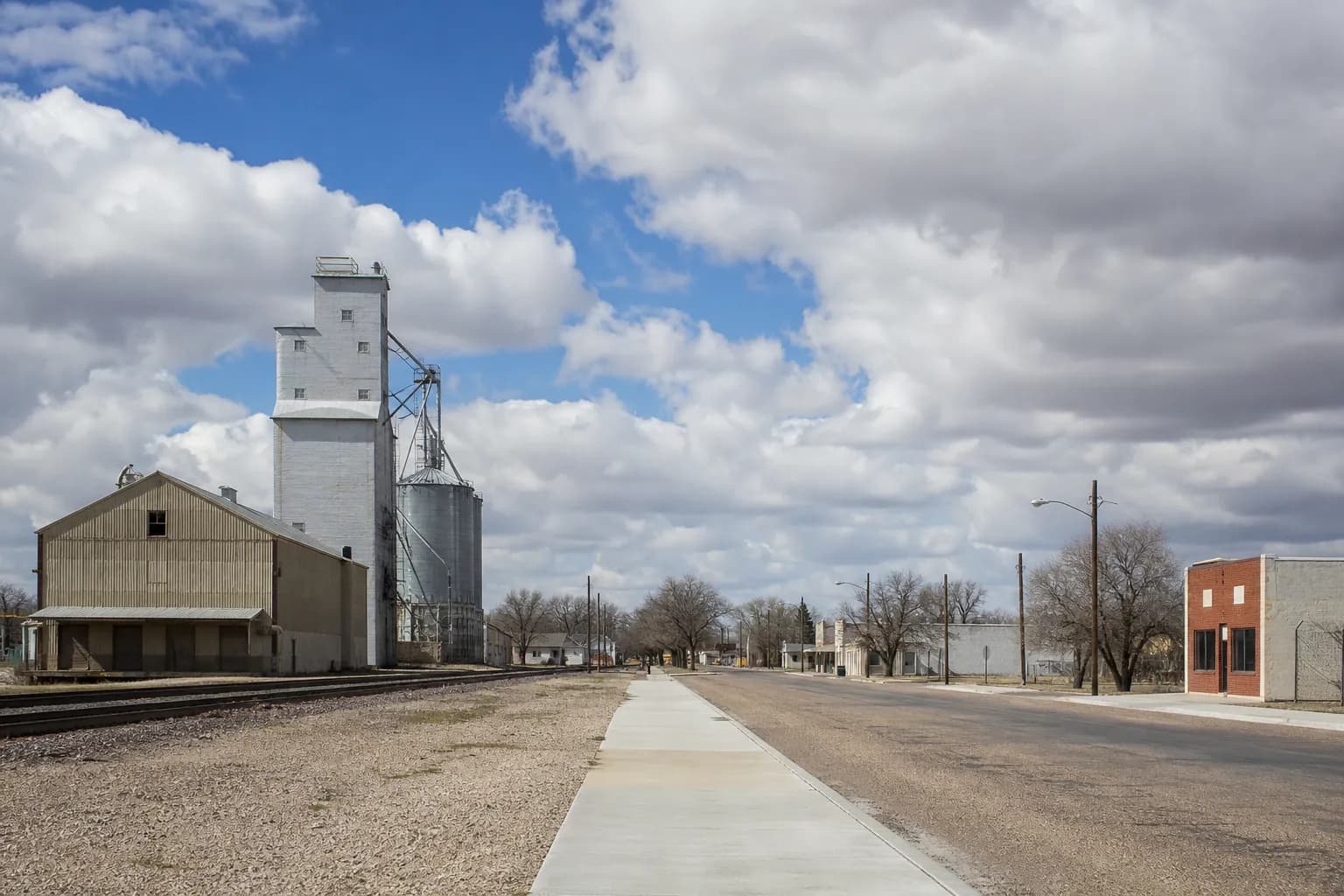
A town that kept its own name
New Deal began in 1909 as a train loading site called Monroe, after local landowner Monroe G. Abernathy. Because Texas already had a Monroe City, the post office renamed it to match the consolidated school system, which was named for Franklin D. Roosevelt's programs. Residents voted to incorporate in 1970 to avoid annexation by Lubbock. The town had 730 residents in 2020, and New Deal ISD, which grew out of the old Monroe Schools, serves the area.
What gets poured around New Deal
- Shop and garage floors and RV pads on acreage north of Lubbock. See concrete slabs.
- Long driveways and aprons off county roads.
- Patios and walks at in-town homes. See concrete patios.
- Replacement of older driveways and walks near the original town site.
Permits in and around New Deal
Inside New Deal city limits, call city hall before work at the street or on a new structure; we did not confirm the town's own flatwork rules. On surrounding unincorporated land in Lubbock County, there is no general building permit, but any culvert or other structure in county road right-of-way needs a free permit from Lubbock County Public Works. You stake the proposed culvert location, and the county approves the type and size and inspects the site.
Building on open farmland
Former cotton ground needs its loose, cultivated topsoil stripped before a slab goes down, then a pad built up and compacted so the floor sits above the surrounding field and drains. The calcic (caliche) layer in typical local soils sits a few feet down, which can slow trenching for thickened edges. Ask contractors to explain their pad prep in the bid.
Request quotes
Use the contact page with your road or address, the job and rough dimensions. We pass it to an independent contractor who works north of Lubbock, and you hire and pay them directly.
Back to the main guide: concrete contractors in Lubbock, TX.